

Some souvenirs die the moment you unzip the suitcase.
A good Dalmatian souvenir does the opposite. It stays alive. You open a jar, slice a piece, light a scent, pour a little olive oil over dinner, and suddenly the coast comes back. Salt in the air. Stone under your shoes. Late sun on the harbor.
Dalmatia is full of easy, forgettable things to buy. Plastic boats. Generic magnets. Lavender bags that smell like a factory. The better finds are quieter. They usually come from small shops, family producers, market tables, island villages, and old town corners where somebody still knows exactly who made the item in front of you.
If your route is still open, have a look at private boat tours from Trogir and Split. Reaching places like Šolta, Hvar, Brač, or historic Trogir often leads to better shopping than buying everything in one rush near the waterfront.
Olive oil that you will actually use
If you buy one thing from Dalmatia, make it olive oil.
This is the souvenir that almost never disappoints. It travels well, gets used, and keeps earning its place long after the holiday ends. A good bottle from Brač or Šolta has character. It tastes green, peppery, a little wild, the way the landscape looks.
The smartest move is to skip anonymous bottles with pretty labels and choose oil with a local story behind it. Ask where it was pressed. Ask which olives were used. Ask what the family eats it with at home.
- Where was it pressed?
- Which olives were used?
- What do locals eat it with at home?
Those questions usually separate a real gift from a decorative bottle. If this kind of souvenir is exactly your thing, Escape to the nature and gastronomy is the most natural stop to connect with Šolta, honey, olive oil, wine, and traditional Dalmatian food.
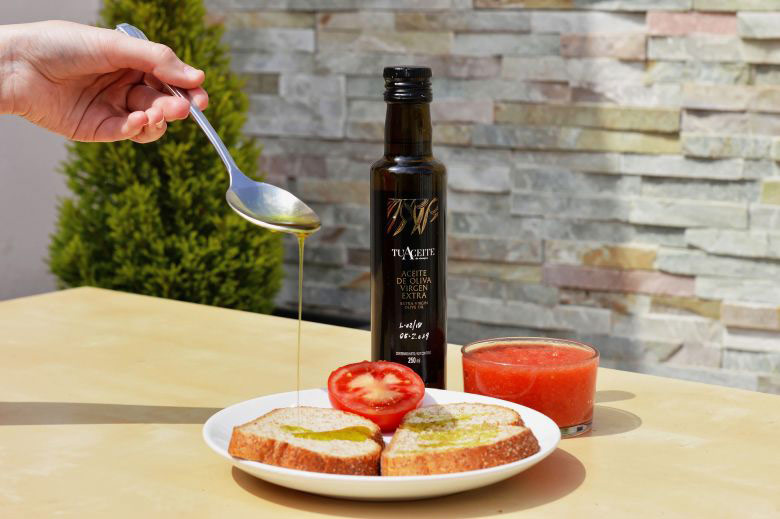
Lavender from Hvar, the kind that still smells like summer
Hvar and lavender belong together.
A small lavender sachet, handmade soap, essential oil, or a simple natural cosmetic can be one of the best souvenirs you bring home, especially if you want something light, practical, and easy to pack.
The trick is simple. Avoid glossy tourist packaging. Go for:
- small producers
- apothecary-style shops
- artisan stalls
- local island gift stores
Lavender is one of those souvenirs that keeps working quietly. You put it in a drawer, on a bedside table, or in a bathroom, and months later you still get a little flash of the Adriatic.
If Hvar is on your itinerary, Hvar & Pakleni Islands fits perfectly here.
Edible souvenirs are usually the best souvenirs
Dalmatia tastes dry, sunny, salty, and direct.
That is why edible gifts often beat decorative ones. Local honey, fig jam, candied almonds, olive tapenade, herb salt, carob sweets, and small bottles of rakija all carry place better than mass-produced trinkets.
A gift bag built around food works especially well if you are shopping for friends or family. A simple combination is enough:
- one bottle of olive oil
- one jar of local honey
- one fig-based product
- one small sweet or herbal item
Done. No dust collector. No fake folklore. No object that needs explaining. Šolta fits beautifully into this theme, which is why the Šolta gastronomy tour works as a natural internal link.
Lace, small textiles, and things made slowly
Some souvenirs feel expensive because of the material. Others feel valuable because of the time inside them.
That is where lace comes in. If you want something delicate and genuinely rooted in the region, a small lace piece from Pag or Hvar has far more soul than the usual tourist shelf items. It can be framed, used as a table detail, or kept as a proper keepsake.
You do not need to buy a giant ceremonial piece. A smaller handmade detail usually works better because it is:
- easier to carry
- easier to gift
- more likely to survive the trip home
- more usable in everyday life
This kind of souvenir suits travelers who want something quiet, tactile, and lasting.
Stone, olive wood, and objects that feel like the coast
Dalmatia is stone country.
You feel it in old towns, stairways, harbor walls, churches, courtyards, and narrow lanes polished by centuries of feet. That is why small stone objects can make excellent souvenirs.
Look for things like:
- hand-carved bowls
- candle holders
- coasters
- small decorative pieces with a local touch
Olive wood is another strong choice. A spoon, board, or kitchen item is practical and beautiful without trying too hard. It fits modern homes better than most souvenir-shop clutter.
Historic towns are especially good for this kind of browsing. Serenity Five works well here because it includes Trogir, one of the easiest places to enjoy old stone streets and slower souvenir shopping.
Coral jewelry, but buy it with care
If you want jewelry, go carefully.
Dalmatia has a long association with coral, especially around Zlarin, and a well-made coral piece can be beautiful. Still, this is one of those categories where you should buy only from a maker or shop that can actually explain what you are looking at.
Ask a few simple questions:
- Where was it made?
- What is local about it?
- Who produced it?
- Is there a story behind the design?
If the seller knows nothing, move on. Real souvenirs usually survive simple questions.
What to leave on the shelf
The easiest way to buy well in Dalmatia is to ignore the loudest things in the shop.
Leave behind:
- plastic magnets
- generic “Croatia” keychains
- fake lavender bundles
- factory-made shell ornaments
- anything that could just as easily be imported and dropped on a tourist rack
A simple rule helps:
- Was it made in Croatia?
- Can the seller tell me where it comes from?
- Will I use it, eat it, smell it, or keep it on purpose?
- Does it still feel good once the holiday glow wears off?
If the answer is yes, you are probably close.
Where shopping feels best
The best Dalmatian souvenir rarely comes from the first row of stores near the busiest promenade.
You usually find better things in:
- old town side streets
- family-run specialty shops
- island villages
- food tastings
- market stalls
- small artisan spaces
That is one reason moving around Dalmatia pays off. A day in Trogir, a stop on Šolta, time in Hvar, or a slower route between islands gives you more chances to buy something that actually belongs to the place.
If you want to move between coastal points or islands without overcomplicating the day, speedboat transfers fit naturally into this topic too.
Quick FAQ
What is the safest souvenir to buy if I want something practical?
Olive oil, honey, fig products, lavender goods, and small handmade home items are usually the safest choices. They pack well and still make sense once you are back home.
What is the most Dalmatian souvenir?
Olive oil is probably the strongest all-around answer. It is local, useful, easy to love, and deeply tied to the landscape.
Is food better than decorative souvenirs?
Most of the time, yes. Food gifts and scented products usually age better than decorative items because they stay connected to daily life.
Final takeaway
The best authentic souvenir from Dalmatia is usually something you can taste, smell, or use.
A bottle of island olive oil. Lavender from Hvar. A small lace piece. Local honey. A hand-finished object in stone or wood. Something modest, real, and close to the region’s rhythm.
That kind of souvenir does not beg for attention on a shelf. It slips into life naturally, and that is exactly why it lasts.
If you want help shaping the route before you shop, start with private boat tours from Trogir and Split, browse Serenity Five, explore Šolta gastronomy, check Hvar & Pakleni Islands, or contact Ria Tours directly.